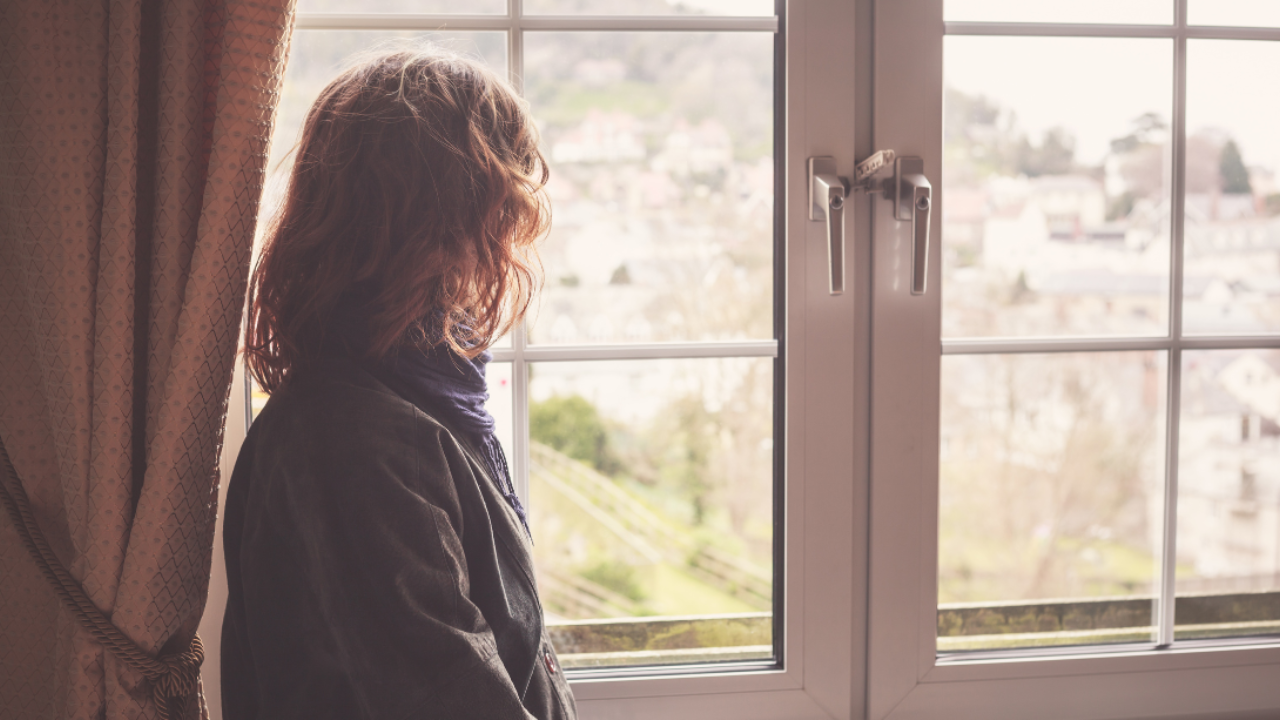
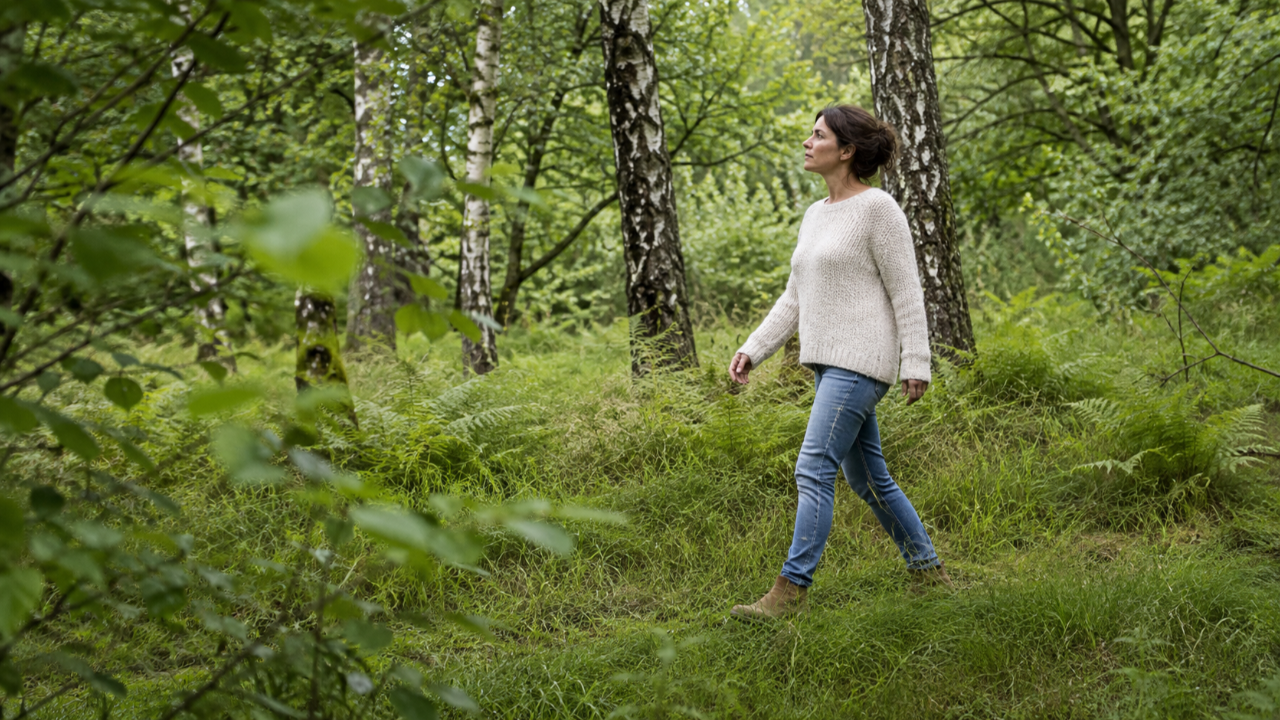
She told me she feels she just has to keep going, but beneath that determination you could clearly see how exhausted she is. Most of her friends are in relationships, and she said she feels they probably wouldn’t want to go out or travel with her because they have their own families and priorities. She also mentioned that she doesn’t want to keep leaning on her sons all the time.
What she really wants is something simple: to meet like-minded people, to have something that helps take her mind off everything, to get out of the house and have a little space to breathe. She said that coming in to see me at the office gave her a bit of that space - a small moment away from the constant emotional weight she’s carrying at home.
Later this evening, I suddenly had the thought to ask someone I’ve only recently got to know whether she might know of any local groups my client could join. It was about 8.45pm, and I asked Luke if he thought it was too late to message her (yep, I seem to need Luke these days to tell me what’s socially acceptable). He said it probably was, especially given that I barely know her, which is fair enough. Still, I didn’t want to forget about it tomorrow when the day gets busy and work inevitably takes over again, so I set a reminder in my phone.
Because the truth is, this keeps coming back to me, again and again. So many people are trying to carry everything on their own. They’re holding so much together by themselves, quietly, without the kind of support that can really make a difference.
During our meeting we talked about some practical steps she could take. Of course, we discussed finances too. That was the reason she had come to see me in the first place. She has arthritis and is finding it increasingly difficult to keep on top of everything at home, so we agreed that arranging a gardener and a cleaner could take some of that physical pressure off her.
But while practical support helps, it’s not the same as meaningful connection. What she really wants isn’t just help with tasks. She wants people. She told me she loves arts and crafts and enjoys being creative, doing something with her hands, focusing on something different for a while. That kind of activity could give her exactly what she needs: a reason to leave the house, something to look forward to, and a space where her mind can settle. A place that belongs to her, where she can step away from the stress and emotions of everything she’s dealing with.
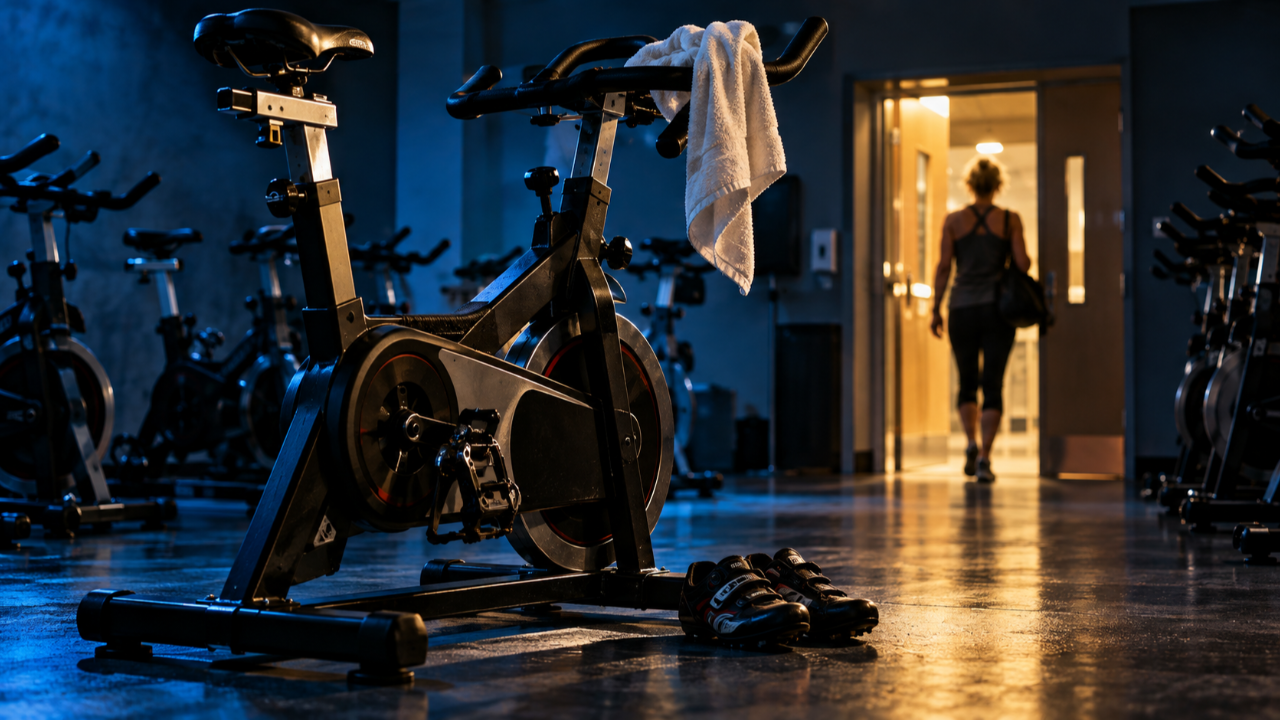
Listening to her reminded me of when I went through a difficult time a few years back. The thing that helped me wasn’t necessarily talking about it. It was the gym classes I started going to. For those 30 or 45 minutes, I could step outside of everything else happening in my life. I could focus on movement, energy, people around me. It was a form of distraction, but it was also connection. Being around others, sharing space and energy, even if you’re not sharing your story, can be incredibly powerful.
I have an app on my phone called Blinkist, and the other night I was reading the summary of a book called Undo It! As I read through it, one thought kept coming back to me: when we talk about preventing chronic illness or improving our health, we usually focus on the obvious things. Diet, exercise, sleep, and managing stress. All of those matter, of course. But there’s another factor that doesn’t get talked about enough, and that’s social relationships. Strong social connections are linked to better mental health, lower rates of chronic illness, and even slower cognitive decline. Long-term social isolation has actually been associated with an increased risk of developing dementia. We may think of connection as something that’s nice to have, something optional. But in reality it’s fundamental to our well-being.
Of course relationships aren’t always easy. They can be messy, complicated and sometimes uncomfortable. There are difficult conversations, misunderstandings and vulnerable moments. But nothing meaningful in life tends to come from the easy path. Real connection requires effort, openness and sometimes courage. Yet it’s one of the most powerful things we have.
Today was a reminder that behind closed doors many people are carrying far more than we realise. They’re still showing up, still trying to keep everything functioning, still telling people they’re fine. But underneath that, there can be deep loneliness. And sometimes the most important support we can help someone find isn’t just practical assistance or solutions to problems. Sometimes what matters most is helping someone reconnect with people, purpose and moments that give them space to breathe again. Because none of us are meant to carry life completely on our own. 🩷