The Hidden Power of the Words We Tell Ourselves
Aug 05, 2026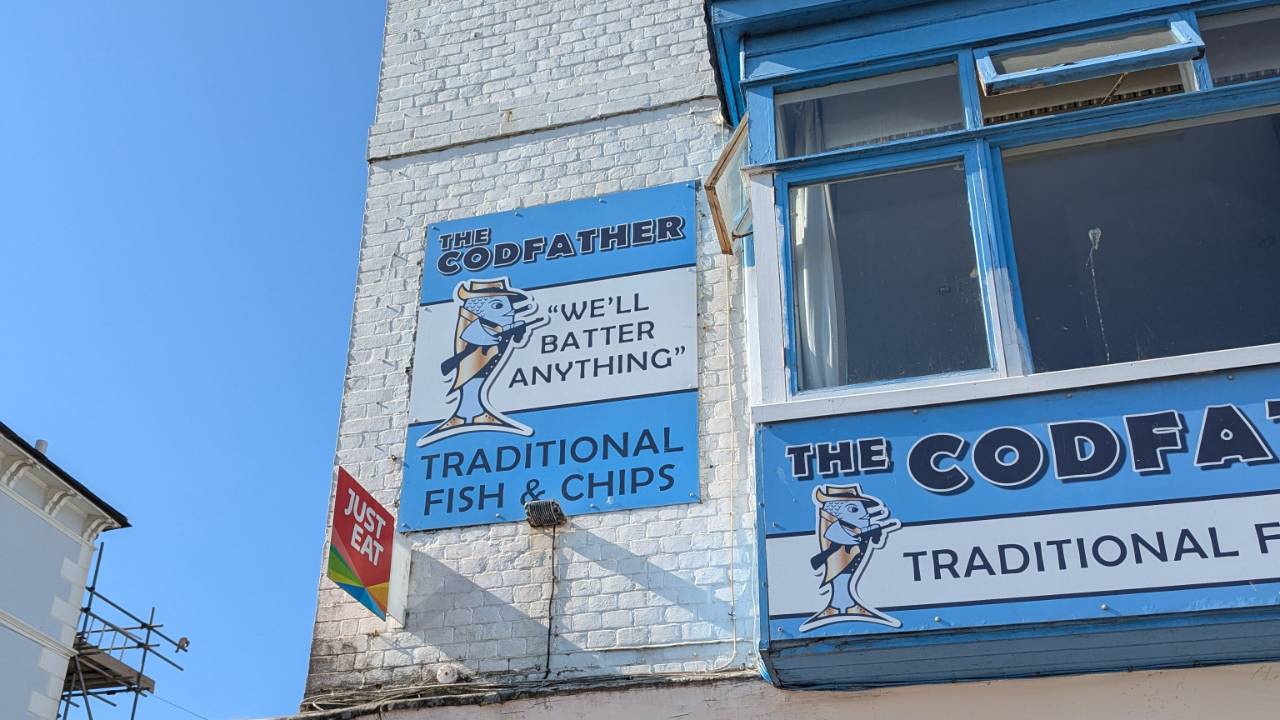
I know... I know. Last Saturday I said I'd write a money post early this week because I'd gone completely off topic in last Saturday's blog. And... I didn't.
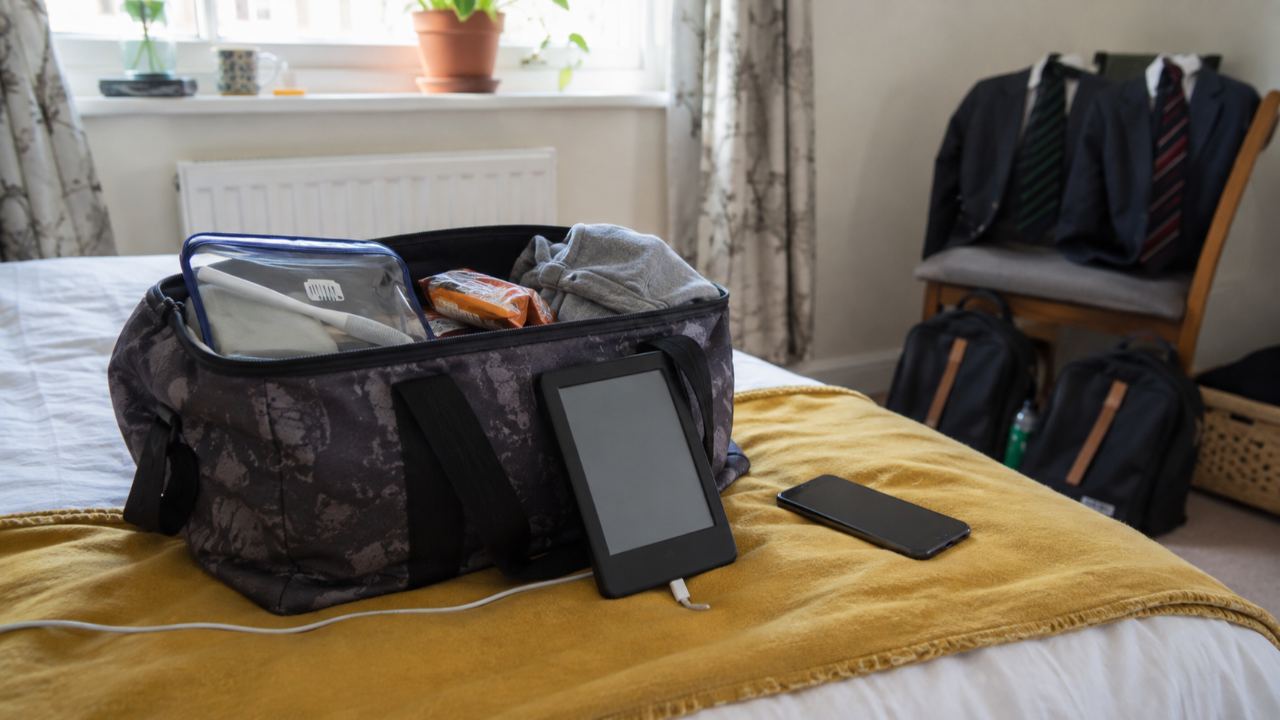
To be fair, I do actually have a pretty good excuse. We disappeared to the Isle of Wight for a few days and the place we were staying was supposed to have Wi-Fi. It didn't. Which, if I'm honest, was probably one of the best things that could have happened.
It took me a couple of days to properly switch off because my brain was still thinking about work, emails, clients and all the jobs waiting for me when I got home. But by Wednesday I'd finally settled into holiday mode. The only problem is that now I'm back, I seem to have gone a little too far the other way. Instead of thinking about work, my brain has become obsessed with sorting the house out because I started before we went away. It's like there's a little voice in my head saying, "Come on... you can't stop now. You've got cupboards to organise." It's funny how our minds latch onto whatever feels unfinished.
While I was away I started reading a book called The Micro-Script Rules by Bill Schley. It wasn't actually the book I'd planned to read. I was going to read a different one I'd heard about, but because there was no Wi-Fi I couldn't download it onto my Kindle. So I started scrolling through all the books I'd apparently bought at some point and completely forgotten about. Then I stumbled across this one and started reading it out of curiosity... and before I knew it, I couldn't put it down.
The whole idea behind the book is that our brains are wired to remember short, simple, memorable phrases. Bill Schley calls them microscripts. They're the tiny sentences that stick because they make us feel something, paint a picture or tell a story in just a few words. Think about the slogans or sayings you can still remember years later without even trying. It's not because they're long or clever. It's because they're simple. They're little story bites, written in a way our brains naturally love to remember... and repeat.
Then on Friday morning we wandered into Ryde and walked past a fish and chip shop with a sign outside that simply said, "The Codfather. We'll batter anything." I thought it was brilliant. And of course, I took a photo. It's completely ridiculous, but I can almost guarantee I'll remember that fish and chip shop for years. One silly little sentence made it unforgettable. That's exactly what Bill Schley is talking about.
But then it got me thinking about something else. Isn't that exactly how our own minds work? Most of us can still remember one random comment someone made years ago. Something a teacher said. A throwaway remark from a parent. A joke someone made at school. A comment from a colleague that probably meant nothing to them but somehow meant everything to us. It's strange how those tiny little sentences can stay with us for decades. We repeat them to ourselves so often that eventually they stop feeling like someone else's opinion and start feeling like the truth.
"I'm not good enough."
"I've never been good with money."
"I'm always behind."
"I don't deserve that."
When you think about it, they're microscripts too. They're just the ones we've unknowingly been repeating to ourselves.
Our brains don't seem particularly interested in whether those sentences are true or not. They simply respond to repetition. Hear something often enough, or tell yourself something often enough, and it starts to feel familiar. And familiarity has a funny way of disguising itself as fact.
Thankfully, the opposite is true as well. One person saying, "I believe in you." One genuine compliment. One kind comment at exactly the right moment. One sentence that makes someone feel seen. Those words can stay with us just as long. I think we underestimate how much power our words carry. We think people remember the big conversations, but often it's the tiny ones that leave the biggest mark. The sentence that made them laugh. The words that gave them hope. The comment that made them believe in themselves... or sadly, the one that made them question themselves.
Maybe that's why it's worth paying a little more attention to the microscripts we tell ourselves every day. Because if we repeat something often enough, our minds have a funny way of believing it.
Oh... and before anyone says anything... yes, I really am writing a money post next...🩷