As I write this, I’ve just finished another session with Jessie, and wow… she really is the gift that keeps on giving (yes, I know that sounds cheesy, but it’s true, okay!)
This session brought up a few things I feel are pretty significant, but one in particular feels like something that could help a lot of parents. Jessie spoke with my son, Flynn, about something I’d mentioned in earlier sessions - how he sometimes acts out when he’s overwhelmed by big emotions at school. Interestingly, it only ever seems to happen there.
Flynn has had a lot of support at school and he has come a long way. He is much better now at managing his emotions when they show up. Those really big feelings - and the spiral of thoughts that come with them and make everything feel bigger - still appear sometimes, but far less often than they used to.
The hardest part, and the most painful part to watch, is what happens afterwards. He beats himself up for having those moments. He feels “different”. He sees his feelings, and the way he reacts to them, as a reflection of who he is as a person, rather than seeing them for what they really are - just human emotions. He gets upset about what he did, and then quietly turns it inward, believing it says something about his character, instead of recognising that he simply had a hard moment.
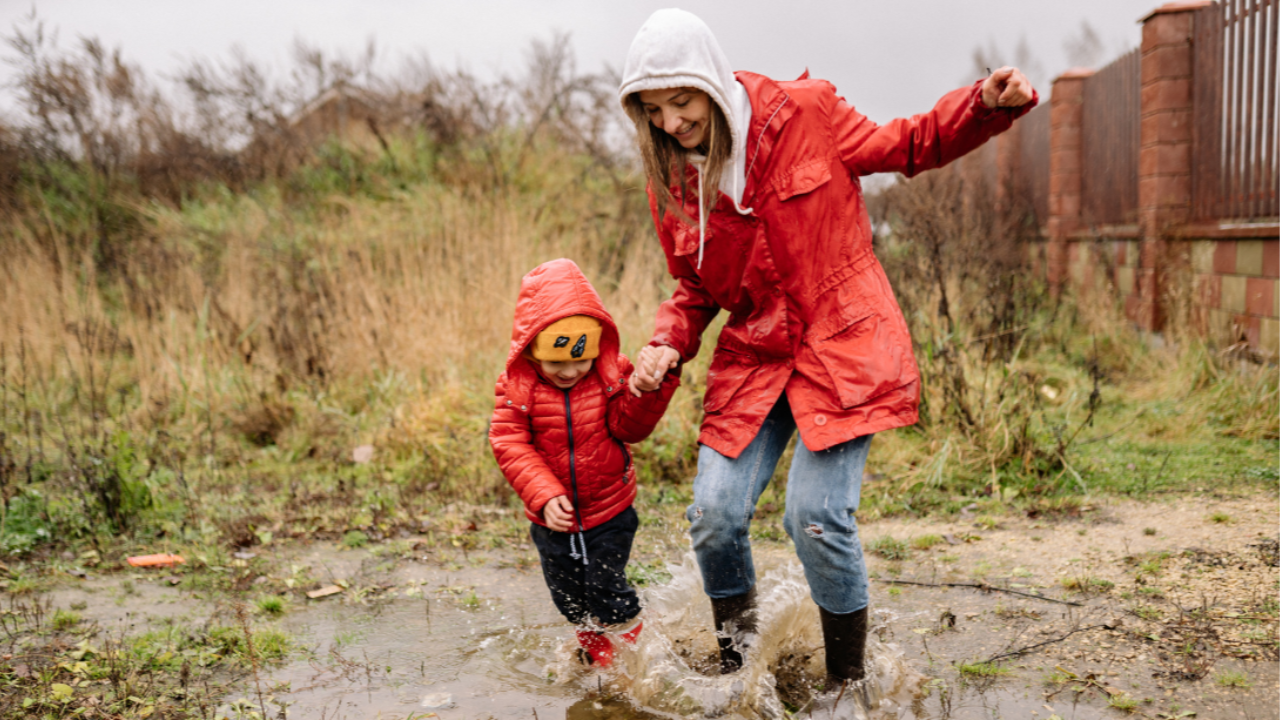
Jessie asked Flynn how he had been feeling lately and how he thought he was coping. Flynn said he felt he was improving and that the really big feelings don’t happen as often anymore. That’s when Jessie shared a really helpful analogy with him: emotions are like the weather. Imagine the sky - sometimes it’s cloudy, sometimes a storm rolls in, sometimes rain appears out of nowhere and then disappears just as suddenly. Just like the weather, our feelings come and go. The storms pass, the clouds clear, and the sunshine (your true self) is always shining underneath.
Then she looked at Flynn and said, “You are the sunshine. The storms, the clouds, are just feelings. They’re natural, they’re normal, and they always pass.”
This simple imagery is really powerful. It separates the child from the emotion, the person from the feeling. It works for adults too. You are the sunshine. Your bad moods, your overwhelm, your anxious moments - they’re just passing clouds. Another thing Jessie highlighted is that big feelings are universal. Everyone has them.
We often think we can’t relate to our children because their world feels so different from ours, but the emotions underneath are exactly the same. We all feel fear, sadness, anxiety and overwhelm sometimes. Jessie suggested talking about our own feelings in simple, relatable ways, such as saying, “Today my mind felt stormy,” or, “I had a storm for a little while, but it passed.”
Normalising emotions like this is huge. When children realise it’s okay to feel, and that even adults have their own storms, it removes that quiet, crushing belief that something is wrong with them. Do you remember being younger and feeling like no one could possibly understand what you were going through? Everyone else seemed fine. Everyone else seemed okay. And you weren’t. You may have wondered why you felt the way you did, or why you reacted the way you did, and whether there was something different about you.
When Flynn was struggling a few years ago, I felt completely helpless. I tried everything I could think of and nothing seemed to work. But sitting in that session, watching Jessie speak to him, I started to wonder if the solution really isn’t complicated at all. Maybe it is as simple as helping children, and ourselves, understand this: feelings (like our thoughts) come and go, they are completely normal, and we are not broken because of them. As Jessie was talking, I could see Flynn thinking. I could see it in his eyes. He would pause, look at her and smile, and you could almost see the moment land - like, yes… that makes sense.
Jessie said it’s best to gently “drop” these ideas into children over time, and I smiled, because that is exactly how it has worked for me too. We would have a session, and then days later something would happen and I would suddenly realise what she meant. Little by little, things shift. And little by little, children understanding this will make a real difference. And when it truly sinks in - when that deeper understanding settles - everything will start to feel lighter. You naturally become more resilient, kinder to yourself, and better able to cope with both what’s happening inside you and what’s happening in the world around you.
Reactions to emotions might look different from person to person, but the feelings underneath are the same. Many children and adults don’t realise this. We often interpret emotions as a sign that something is wrong, which makes the storm feel heavier. But when we notice our feelings, separate them from who we are, and let them pass, life feels lighter. Those feelings are not you; they are created by your thoughts in the moment. You are the sunshine - the steady, bright part of yourself that remains underneath it all. The storm, the clouds, and the rain are simply passing emotions, not a definition of who you are.
I believe this can change the way parents connect with their children. Even if it feels like you can’t relate to what your child is going through, you can. You both experience big feelings, moments of overwhelm, anxiety, frustration, and sadness. The situations may differ, and the thoughts behind the feelings are unlikely to be the same, but the feelings themselves are universal and deeply human.
Think about what helps you when you feel anxious, sad or overwhelmed. You already know what brings you comfort, what helps you calm down, and what helps you feel safe again. That understanding is powerful, because it can guide you in supporting your child. When you recognise your own emotions, you become much better equipped to recognise theirs - and to offer them the kind of support you would want in the very same moments.
I asked Jessie whether it is simply natural for children to get better at managing their emotions as they get older, because Flynn has definitely improved as he has grown. Jessie shook her head. Not without support. And in that moment I felt incredibly grateful. Flynn has been lucky. His school (just a normal state school) has been amazing. The teachers have been genuinely incredible in how they have supported him. He also received help through the primary behavioural service at school, and it has made a real difference. He still has his moments, of course he does, but they happen far less often now, and when they do, he copes a lot better.
Jessie explained that when children don’t get the support they need to navigate their emotions, it can quietly develop into low self-confidence, insecurity, and sometimes even bullying behaviour. Not because they are “bad” children, but because they were never taught how to understand or manage what was happening inside them.
By normalising emotions, and by showing children that everyone has storms and that storms pass, we teach them something deeply important. Their feelings are valid. They are temporary. And they do not define who they are. They are okay. They will pass. And underneath it all, their sunshine (their true self) is always there.
So here is what I am taking from this session. Emotions are like the weather. Clouds pass, storms end, and the sunshine remains. It is perfectly okay for children to have big feelings. They are not broken, and they are not “different”. Everyone has big feelings, and learning to recognise that those feelings do not define you - that they are separate from who you are and will always pass if you allow them to - can be life-changing. And when we share our own feelings openly, we help our children feel safe, understood, and less alone in what they are experiencing. 🩷