How Stamp Duty Is Quietly Freezing the UK Housing Market
Jun 28, 2026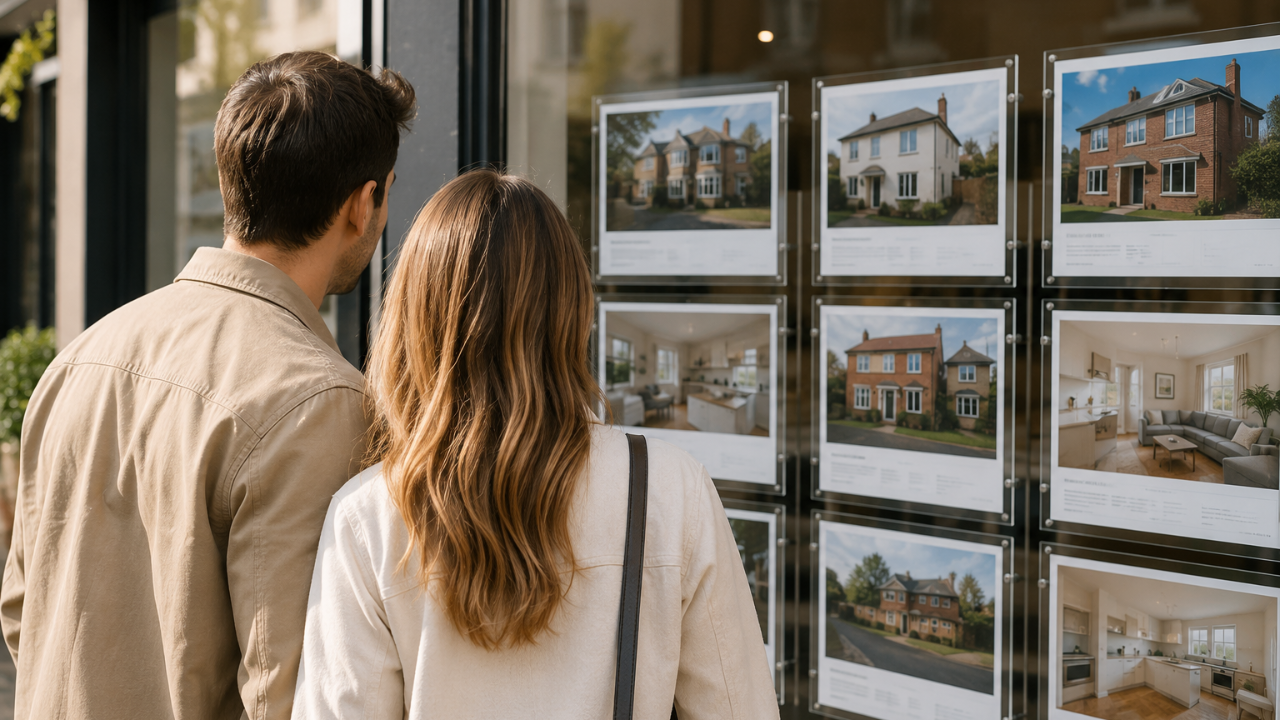
Stamp duty is one of those taxes that doesn't seem like a big deal until you actually have to pay it. Then it suddenly becomes one of the biggest expenses of buying a home.
Imagine you've finally found the house you want. After months of scrolling through Rightmove, booking viewings and negotiating offers, everything has finally come together. Then someone tells you that before you've even picked up the keys, you owe the government £17,500.
That's the reality for someone buying a £550,000 home in England. And that's before solicitor fees, surveys, mortgage costs, removal vans or even buying a sofa for the living room.
Governments obviously need to raise tax, but economists have long argued that stamp duty is one of the least efficient ways of doing it. The problem is not that it raises money. It does. The problem is that it changes people's behaviour in ways that make the housing market work less well. Quite simply, it makes people less willing to move.
Stamp Duty Land Tax, or SDLT, is paid when you buy a residential property in England or Northern Ireland. It works on a banded system, so you don't pay one flat rate on the entire purchase price. Instead, different portions of the property's value are taxed at different rates. That makes it fairer than charging one percentage on the whole amount, but it doesn't change the fact that buyers often end up facing bills worth many thousands of pounds, all at the exact moment when moving house is already incredibly expensive.
At first, that might not sound like a huge issue. If someone can afford a £500,000 house, surely they can afford a few thousand pounds in tax? But that's exactly where economists think people underestimate the impact.
Take downsizing as an example. Imagine a couple whose children left home years ago. They're living in a four bedroom house with empty bedrooms, a garden that takes all weekend to maintain and energy bills that seem to get higher every year. Moving somewhere smaller makes complete sense. It would be cheaper to run, easier to look after and probably suit their lives much better. Then they work out what moving would actually cost.
Between stamp duty, solicitor fees and moving costs, they could easily be looking at another £15,000 or £20,000. Suddenly what seemed like an obvious decision no longer feels worth it. So they stay exactly where they are. Not because they love having empty bedrooms, but because moving comes with a financial penalty.
Now imagine that happening hundreds of thousands of times across the country. More than half of owner occupied homes in the UK have at least two spare bedrooms. That's not necessarily because people want lots of extra space. Quite often it's because the cost of moving is high enough to keep people where they are. Homes that would be perfect for growing families stay occupied by people who would happily move if it didn't cost so much to do it.
This matters because the housing market only really works if people move. In fact, more than 90% of homes sold every year are not new builds. They're existing homes being sold by people moving somewhere else. One household moves out, another moves in, and that creates opportunities for everyone else. A family buys a larger home, another family buys their old house, a first time buyer gets on the ladder, and the whole market keeps flowing. But once moving becomes expensive, that flow starts to slow down.
Fewer people put their homes up for sale. That means fewer properties become available. Buyers end up competing over a smaller number of homes, which pushes prices higher and makes it even harder for first time buyers and growing families. A tax that was only meant to raise revenue ends up making some of the biggest problems in the housing market even worse.
Economists have even tried to measure this effect. One commonly cited estimate suggests that a 1% increase in stamp duty reduces housing transactions by around 10%. That's a huge response. It shows just how sensitive people are to upfront costs when they're making one of the biggest financial decisions of their lives.
Interestingly, many other countries take a different approach. Rather than relying so heavily on taxes every time someone moves, they rely more on annual property taxes based on the value of the home. That changes the incentives completely. Instead of making it expensive to move, the cost is spread over time. It becomes easier for people to move when their circumstances change, while holding onto a house that is much larger than you need becomes more expensive in the long run.
The strange thing about stamp duty is that it was never designed to slow the housing market down. But that is exactly what it often does. People's lives change all the time. They get new jobs, have children, retire, separate or simply want a home that better suits the stage of life they're in. Housing should be able to move with them. Instead, we've created a system that charges people thousands of pounds for making that change.
In the end, stamp duty is not really a tax on property. It's a tax on moving. And like most taxes on behaviour, it doesn't stop people doing it altogether. It just makes them stop and think, "Maybe we'll stay here a few more years." When enough people make that same decision, the entire housing market feels the consequences.