Gold and Silver Are Surging: Did You Miss Out on Commodities?
Feb 07, 2026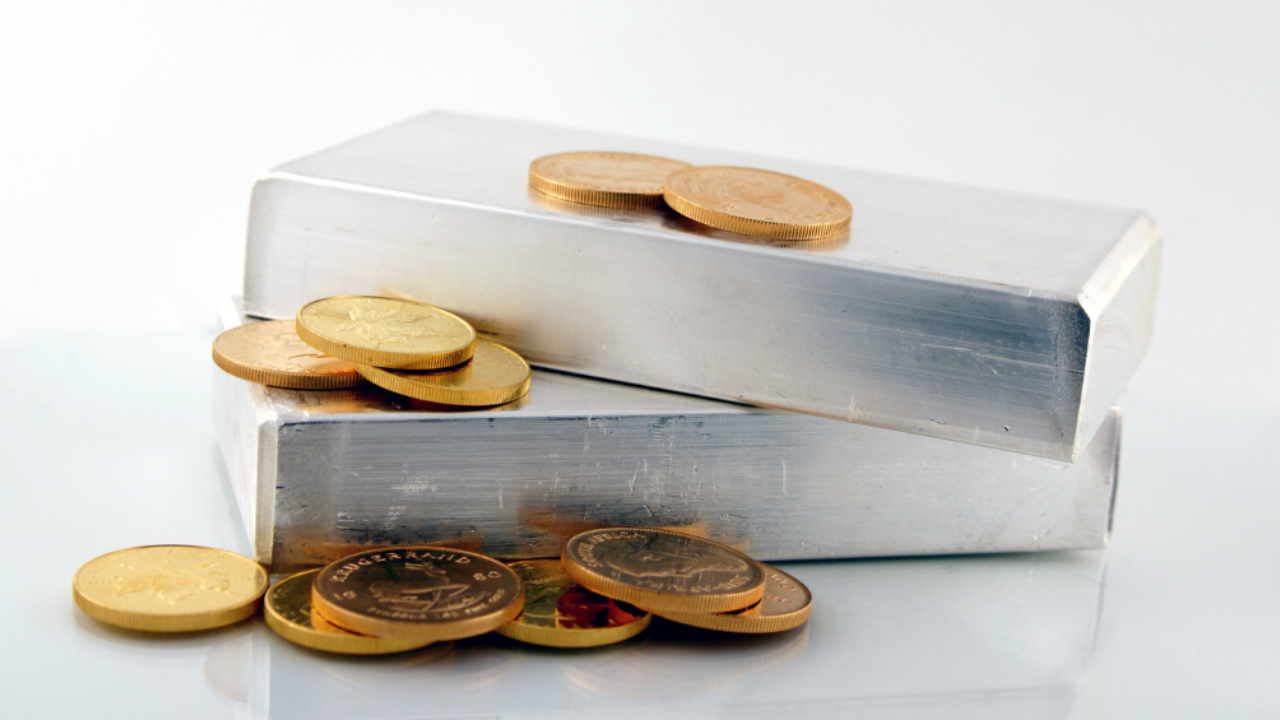
You’ve probably noticed the headlines. Gold and silver have had a remarkable run over the past couple of years, hitting record highs and delivering some eye-catching returns, and the financial media can’t seem to stop talking about commodities. And if you’re anything like most people, a quiet question probably pops up: should we have owned more of this… did we miss out?
That feeling is completely normal. Watching something surge while you’re not heavily invested in it is uncomfortable, especially when it’s something as familiar and “real” as gold and silver. You can hold them. Touch them. They feel very different to a line on a statement showing shares in companies around the world. Add in the fact that gold has been a store of value for thousands of years and, until a few decades ago, even backed global currencies, and the story becomes very easy to believe: the world feels uncertain, so surely we should own something solid.
Before changing anything, though, it’s worth slowing down and asking a more important question: what would it actually have taken to benefit from this rally? Our brains are very good at rewriting history. Once something has already happened, it suddenly feels obvious. Psychologists call this hindsight bias - our tendency to believe we “knew it all along”. But uncertainty cuts both ways. For every asset class that takes off, another quietly disappoints. To make meaningful money from gold and silver, you wouldn’t just have needed to own a little bit. You would have needed to make a large, concentrated bet before the rally began. And back in early 2024, that decision was far from clear. Gold had been moving sideways, interest rates were high, and silver had been stuck in a fairly dull range for years. There was no flashing sign saying, “now is the moment”.
There’s also another bias at play - survivorship bias. We constantly hear about the trades and investments that worked. The bold bets that paid off make great headlines. The big bets that went wrong don’t get written about, and the people who confidently loaded up on the last “sure thing” and lost aren’t publishing articles about it. Hindsight makes today’s winners look inevitable, but they never are.
It’s also worth remembering that there is a fundamental difference between owning commodities and owning businesses. Gold and silver absolutely have real-world uses - in jewellery, electronics and industry - but as financial assets they don’t produce anything. No earnings, no cash flow, no dividends. They simply sit there, and in many cases cost money to store and insure. Equities, on the other hand, represent ownership in real businesses that build products, serve customers, employ people and generate profits. We have no idea what challenges the next decade will bring, but we are comfortable with one assumption: human ingenuity doesn’t stop. Companies adapt, innovate and find new ways to solve problems and meet demand. That is what you own when you hold a diversified global portfolio.
Gold’s long-term role is much less certain. Will it still be the go-to inflation hedge in twenty years? Will it remain the default safe haven when markets fall? These stories change. We’ve already seen how quickly narratives can shift with the rise of Bitcoin and other digital assets, and it’s worth remembering that at the end of 2018, after several years of disappointing performance, gold had largely fallen out of favour. Today it’s back in the spotlight. Tomorrow, we simply don’t know. What we do know is that businesses will continue to operate, adapt and serve customers, and that’s a far more reliable foundation for long-term wealth.
And one more important point: if you already own a diversified global portfolio, you didn’t completely miss the gold rally anyway. Most global equity funds hold mining companies and businesses linked to commodities, so you captured some of the upside, just without making a narrow, speculative bet that could just as easily have gone the other way.
When it comes to financial advice, the goal is simple: to protect your family’s financial future and help you remain financially independent for the rest of your life. Short-term, speculative positions, no matter how well they performed this year, don’t really fit that picture. Sound financial planning isn’t about trying to guess the next winning asset class. It’s about building portfolios that can hold up across many different futures, portfolios designed for decades, not days, and for real life, not news cycles. There will always be another hot investment in the headlines, and eventually it will cool off too. Through it all, the approach doesn’t change: stay diversified, stay disciplined, and trust the process. 🩷
Disclaimer: The information provided is for general information and educational purposes only and does not constitute personal financial advice. It does not take into account your individual objectives, financial situation, or needs. Before making any financial decisions, you should consider whether the information is appropriate for you and, where necessary, seek personalised advice from a qualified financial adviser.