Why Change Feels So Hard (Even When We Know It's Good for Us)
Jul 29, 2026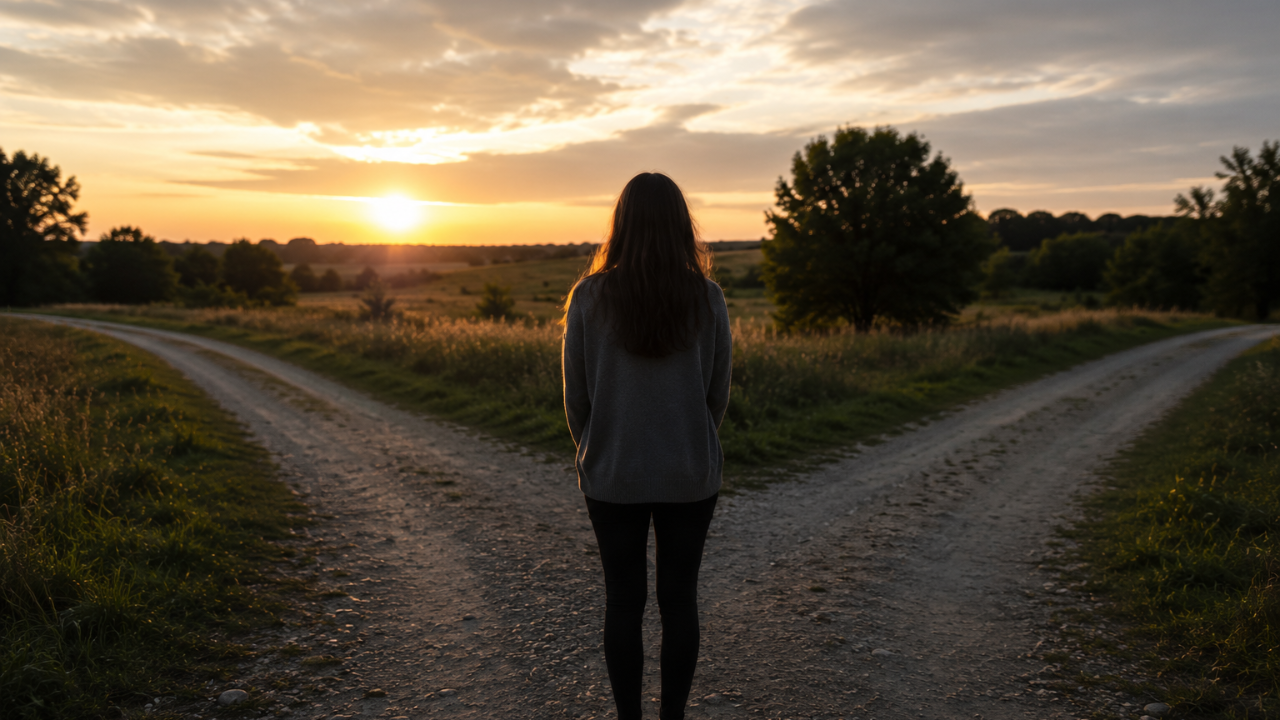
I recently heard a story from the Bible that got me thinking. I'm not religious. I believe there's something much bigger than us out there, but I don't know what that is. I guess I call it the Universe. But regardless of what you believe, this story contains a lesson that feels just as relevant today as it probably did thousands of years ago.
It's about a man who had been unable to walk for 38 years. Every day he lay beside the Pool of Bethesda because people believed that when the water stirred, the first person into the pool would be healed. Imagine hoping, every single day, that today might finally be the day, only to watch someone else get there first. Then Jesus walks over to him and asks, "Do you want to get well?"
At first, it almost sounds like a ridiculous question. Of course he wants to get well, right? Why else would he be lying there? But what's interesting is that he doesn't actually answer the question. Instead, he explains why he can't.
"I have no one to help me into the pool."
"Someone always gets there before me."
For years he'd been telling himself the same story. His circumstances had become so familiar that they'd almost become part of who he was. Rather than simply answering yes, his mind immediately went to all the reasons why nothing could change.
Now, before I go any further, I want to be clear that this isn't about blaming people for difficult circumstances. Some situations are genuinely heartbreaking. Illness, grief, trauma, addiction and mental health challenges are real, and they deserve compassion, not judgement. But I do think there's something incredibly human about the way he responds, because if I'm honest, I think most of us do exactly the same thing.
Looking back, I've realised I've done it too. I've said I want a calmer life, while continuing to fill every gap in my diary. I've spoken about wanting a healthier relationship with alcohol, yet found myself slipping back into old habits because they're familiar. Even after my operation a few weeks ago, I found myself wanting to get back to normal as quickly as possible instead of accepting that recovery takes time.
The more I've thought about it, the more I think that's what makes this story so powerful. Maybe Jesus wasn't asking whether the man wanted his legs to work again. Maybe He was asking whether he was ready for everything that would come afterwards. Because getting well would completely change his life. His routine would change. His identity would change. The way people saw him would change. He'd no longer be the man lying beside the pool.
I think we underestimate the power of familiarity. We say we want things to change, but change asks something of us too. Our brains are wired to seek what's familiar. Even when our current situation isn't making us happy, there's comfort in knowing what to expect. It's predictable. The unknown isn't.
I've seen people stay in jobs they hate because starting again feels scarier than staying where they are. People remain in relationships that no longer make them happy because they're terrified of what comes next. People keep putting everyone else first because they've spent years believing that's who they are. And people try over and over again to break habits that no longer serve them, only to fall back into them because the familiar always feels safer than the unfamiliar.
I don't think we cling to suffering because we enjoy it. I think we cling to identity. We become so used to telling ourselves the same stories that eventually they stop feeling like stories and start feeling like facts.
"This is just who I am."
"I'm not confident enough."
"It's too late for me now."
"I'm not the sort of person who does that."
"I don't deserve better."
The more we repeat them, the more they become part of who we think we are.
"Do you want to get well?" is a much bigger question than it first appears. It's really asking, "Are you willing to become someone different?" I think that's the part that scares us.
Healing changes your story. It changes your habits. It changes your priorities. Sometimes it changes the people around you. And sometimes it means letting go of a version of yourself that's been with you for years. Even if that version wasn't making you happy, it was familiar.
So here's the question I've been asking myself ever since I heard that story, and maybe it's one worth asking yourself too. If the opportunity came along tomorrow to become the person you've been saying you want to become... would you actually be ready?
Because wanting life to change is one thing. But being willing to change with it is something completely different. 🩷